
Elipse Power ADMS
Platform for managing distribution networks. It is designed to increase productivity and efficiency by optimizing and controlling network assets.
Features
- Self-healing module: automatically reconfigures the distribution network to restore power to as many customers as possible, minimizing the impact of faults
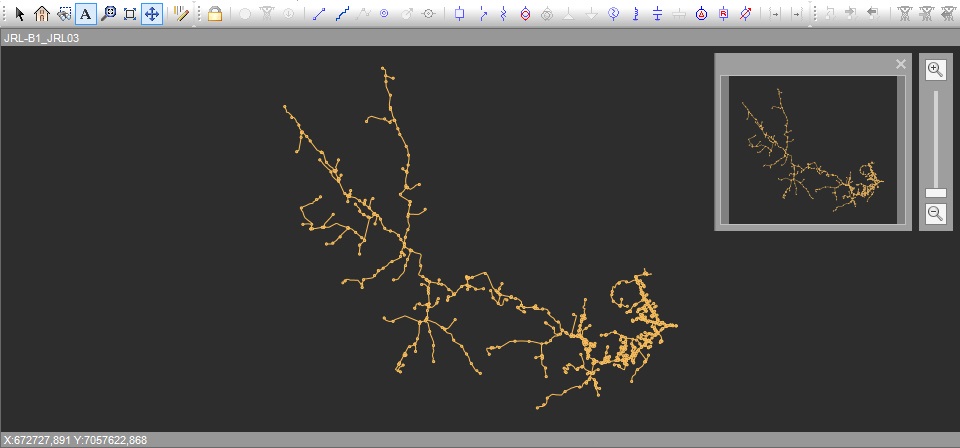
- Schematic View module: automatically generates simplified diagrams that make the network topology easier to understand, for faster, more accurate operations
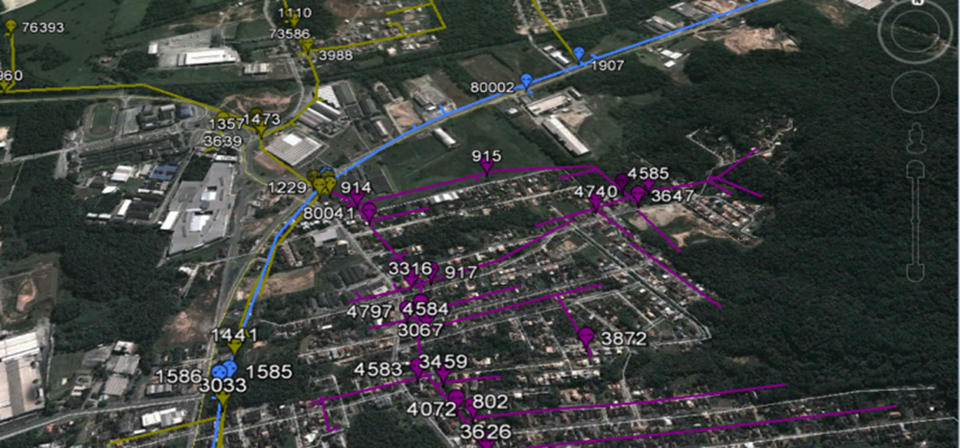
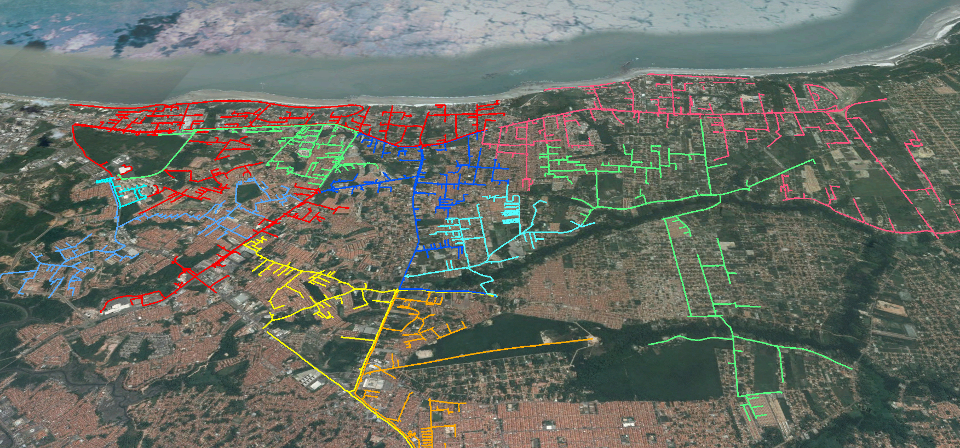
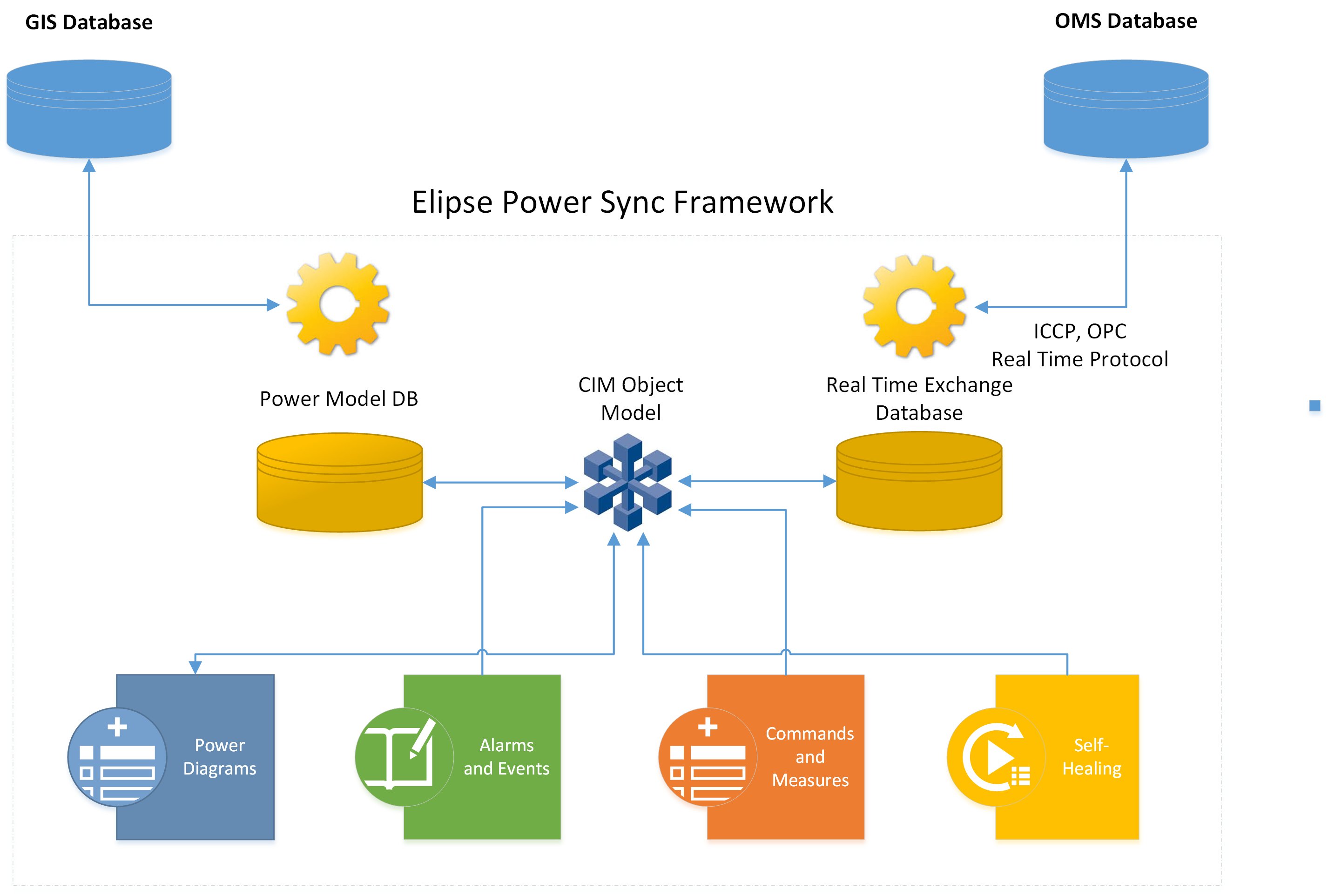
- GIS import and synchronization tool: keeps a single record for each device, ensuring data integrity and lowering maintenance costs
- Multiprotocol platform: integrates distribution IEDs from different vendors, making full use of existing legacy systems and devices
- Topology Processor: applies a ready-to-use algorithm to operating diagrams and colors lines dynamically, so operators can see which circuit paths are energized
- Reliable network data: integrates with other enterprise systems, such as GIS and OMS, reducing configuration errors and making operation safer
Benefits
- Better reliability indicators, such as SAIDI, SAIFI, and CAIDI
- Lower field crew operating costs
- Low maintenance and integration costs
- Protection of existing hardware investments
- Greater operational safety
Licensing
| Substations | n |
| Feeders | n |
| Viewers | 1 (included) + n (optional) |
| Drivers* | n |
| I/O points | 5,000 to 100,000 |
| Storage | 5,000 to 100,000 |
| Hot-Standby | Yes (optional) |
| Viewers-Only | n (optional) |
| Additional modules | Self-healing, State Estimator |
Power distribution companies rely on specific systems to manage network operation and maintenance, such as SCADA, call centers, Outage Management Systems (OMS), and Geographic Information Systems (GIS). These systems often come from different suppliers, so exchanging information among them is essential to meet everyday challenges.
Integration with GIS keeps the network topology updated automatically. Operators can quickly identify the devices they need to operate, which saves field team time and resources.
Integration with OMS provides the status of switches that are not remotely controlled, so the module can find the best network paths available in real time based on the current topology.
A geographic view of the distribution network is often too complex to interpret quickly. When operators have to respond fast to an event, it is not the best interface.
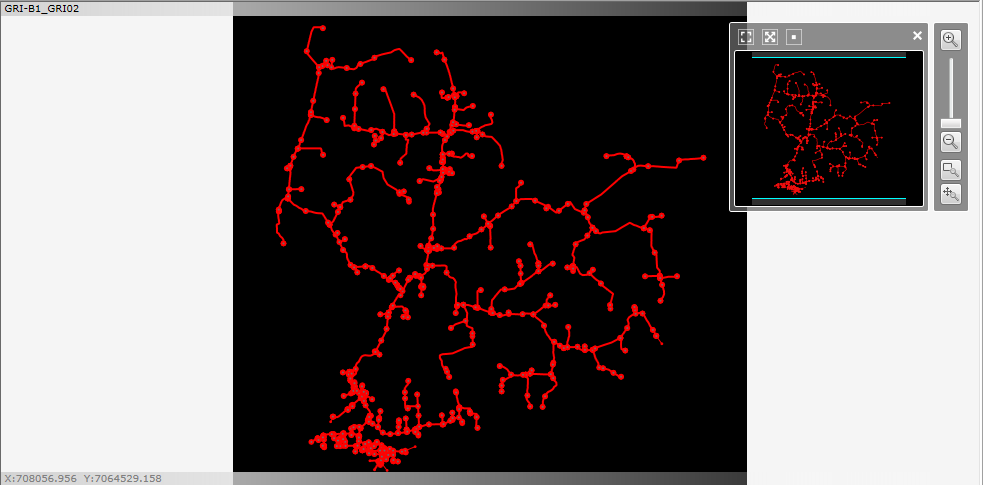
Operators need a simplified schematic view of the network. However, drawing an accurate, reliable schematic by hand takes a lot of time and raises project engineering costs.
The Schematic View module automatically generates simplified schematic diagrams that show feeders more intuitively, for faster, more accurate operations.
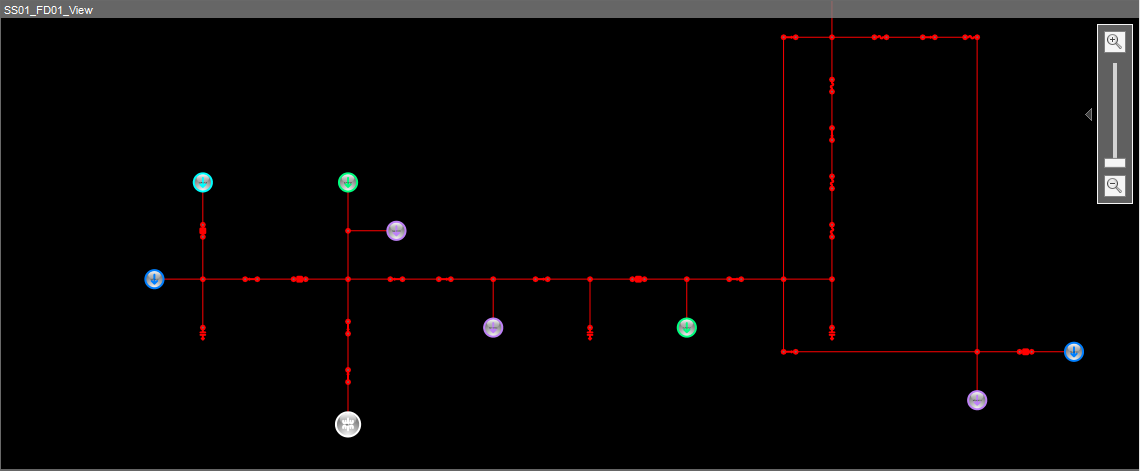
Integrating Elipse Power with the company’s GIS database also reveals when changes to network records make the current schematic diagrams out of date. This prevents diagrams that no longer reflect the actual electrical system and makes maintaining SCADA operating screens more reliable.
Power outages cause service interruptions and financial losses, and they worsen quality indicators. Restoration switching can also cause improper re-energization, endangering field crews and the public. That is why solutions that mitigate the effects of faults are essential. Dynamic electrical modeling on the Elipse Power platform runs the Self-healing module, which automatically isolates faults and restores loads on the grid.
The Elipse Power Self-healing module keeps as many loads energized as possible after a grid fault. It isolates the problem and restores service through alternative paths, making fast, autonomous decisions that significantly reduce interruption time and the number of customers without power. This in turn improves quality indicators.
Based on the grid model, the module checks the operating limits of each device before and after it acts, in order to choose the best set of restoration actions without exceeding system capacity. Since these actions can change the system topology significantly, protection settings may also need to be adjusted to keep protection coordinated.
Integration with GIS keeps the network topology updated automatically. Operators can quickly identify the devices they need to operate, which saves field team time and resources. Integration with OMS provides the status of switches that are not remotely controlled, so the module can find the best network paths available in real time based on the current topology.
Different scenarios and behaviors can be previewed and evaluated in Elipse Power Simulator. This lowers commissioning and configuration costs compared to distributed logic systems.
Features
- Intelligent algorithm: restores the grid automatically through a faster, optimized process
- Electrical model and topology analysis: enables fast, safe, and stable actions
- Interoperability: works with systems and field devices from different vendors
- Centralized solution: configures and commissions multiple modules on a single platform
- Elipse Power Diagram: creates simplified operating diagrams that support operator decision-making
Benefits
- Better service continuity indicators
- Lower field team costs
- Lower revenue losses from power outages
- Lower implementation and expansion costs
- Greater operational safety and reliability
“Being able to coordinate protection and perform switching operations in real time is a step forward in network operation.”
Elipse Power ADMS success stories
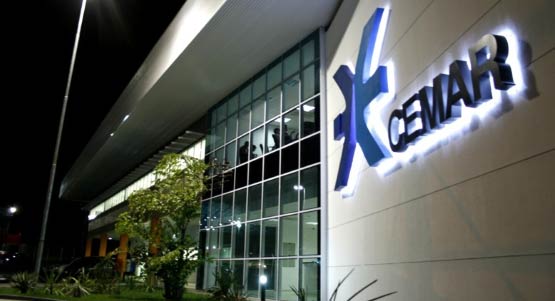 Elipse Self-healing streamlines CEMAR’s energy system recomposition
In February 2015, this technology allowed recovering, in 10 seconds, 9,463 out of 9,756 customers hit by an energy outage on São Luís distribution network, in northeastern Brazil
Read more →
Elipse Self-healing streamlines CEMAR’s energy system recomposition
In February 2015, this technology allowed recovering, in 10 seconds, 9,463 out of 9,756 customers hit by an energy outage on São Luís distribution network, in northeastern Brazil
Read more →
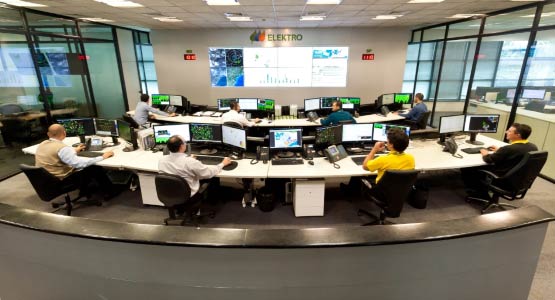 Faster operational at Elektro’s DOC with Elipse solutions
Elipse Power and Elipse Plant Manager are instrumental in helping one of the largest electricity distribution companies in Brazil meet São Paulo’s 6-million-customer more effectively
Read more →
Faster operational at Elektro’s DOC with Elipse solutions
Elipse Power and Elipse Plant Manager are instrumental in helping one of the largest electricity distribution companies in Brazil meet São Paulo’s 6-million-customer more effectively
Read more →
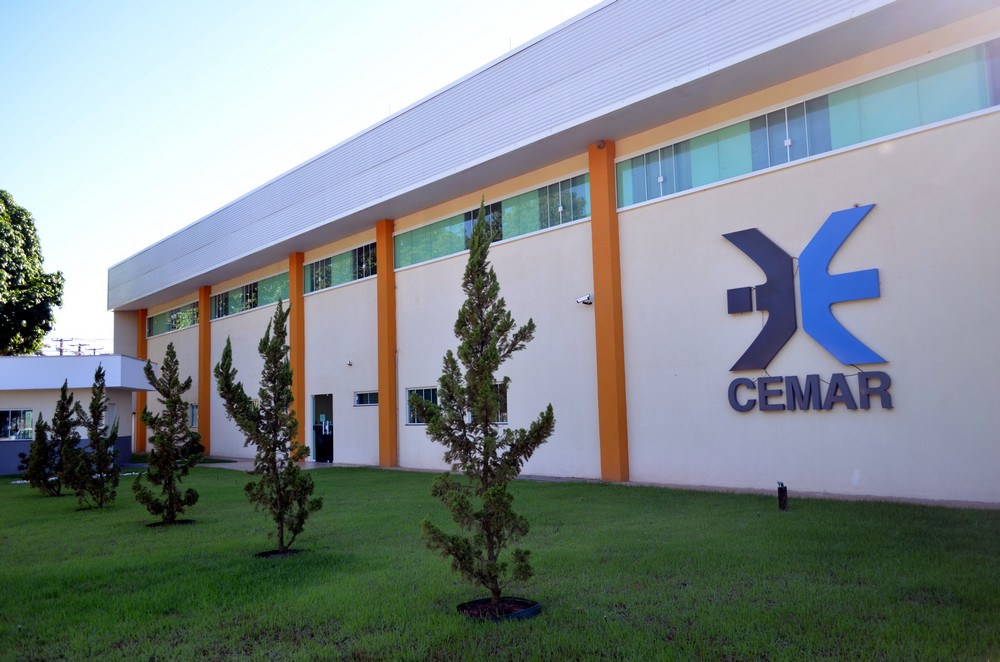 Safer Operation Center at CEMAR with Elipse Power
Elipse Power automates the power distribution of 160 substations at CEMAR: Companhia Energética do Maranhão (Maranhão's Power Generation Company)
Read more →
Safer Operation Center at CEMAR with Elipse Power
Elipse Power automates the power distribution of 160 substations at CEMAR: Companhia Energética do Maranhão (Maranhão's Power Generation Company)
Read more →
Related news
 Elipse Software celebrates 40 years of history
01/10/2026
Four decades after being founded by five young workmates in Porto Alegre, Brazil, the company has become a leading name in SCADA software worldwide
Elipse Software celebrates 40 years of history
01/10/2026
Four decades after being founded by five young workmates in Porto Alegre, Brazil, the company has become a leading name in SCADA software worldwide
 Elipse Drivers 12 – August/2026
19/08/2026
Check out the latest developments for Elipse drivers
Elipse Drivers 12 – August/2026
19/08/2026
Check out the latest developments for Elipse drivers
 Elipse Plant Manager version 7.0: more autonomy for assets management
26/05/2026
The platform by Elipse Software was updated to improve process monitoring, thus optimizing the generation of indicators and real-time data analysis
Elipse Plant Manager version 7.0: more autonomy for assets management
26/05/2026
The platform by Elipse Software was updated to improve process monitoring, thus optimizing the generation of indicators and real-time data analysis
 Elipse Drivers 11 – May/2026
15/05/2026
Check out the latest developments for Elipse drivers
Elipse Drivers 11 – May/2026
15/05/2026
Check out the latest developments for Elipse drivers
