
Elipse Factory Batch
Elipse Factory Batch is a solution for controlling and monitoring batch processes. It is based on the ISA-88 and ISA-95 standards and built on Elipse E3 and Elipse Plant Manager.

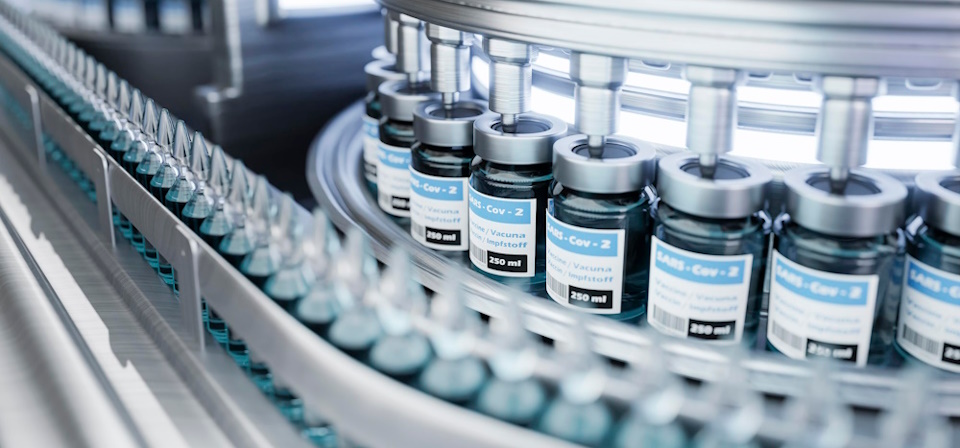

In a batch process, the output is produced in finite quantities, or batches. Batch processes usually run within a set time frame (with a start and end time), produce an expected quantity of product each time, and follow a well-defined sequence of steps called a recipe. Recipes vary from product to product, and each one may have different types and quantities of inputs and outputs, parameters, and steps.
Products manufactured in batches include:
- Beverages, including beer
- Pharmaceuticals and vaccines
- Animal feed
- Food
- Cosmetics
- Hygiene and cleaning products
- Chemicals
- Enzymes, among others
The ISA-88 standard provides guidelines and recommended practices for designing and specifying batch control systems at any level of automation. Its flexible structure adapts quickly to changes in products and in the process itself. Compliance with ISA-88 not only makes system integration easier but also ensures that best practices are followed, resulting in greater efficiency and quality.
Simplified batch solutions that do not fully follow the standard may seem cheaper, but they carry hidden costs, mainly because they lack flexibility. To change a product recipe in a rigid solution, companies may have to rebuild the entire process automation logic from scratch, from SCADA/HMI to controllers and PLCs, which means higher costs and longer lead times.
At the other end, traditional batch solutions tend to be complex and expensive. Elipse Factory Batch is a reliable, robust alternative that is easy to learn and implement, with an excellent cost-benefit ratio.
Features
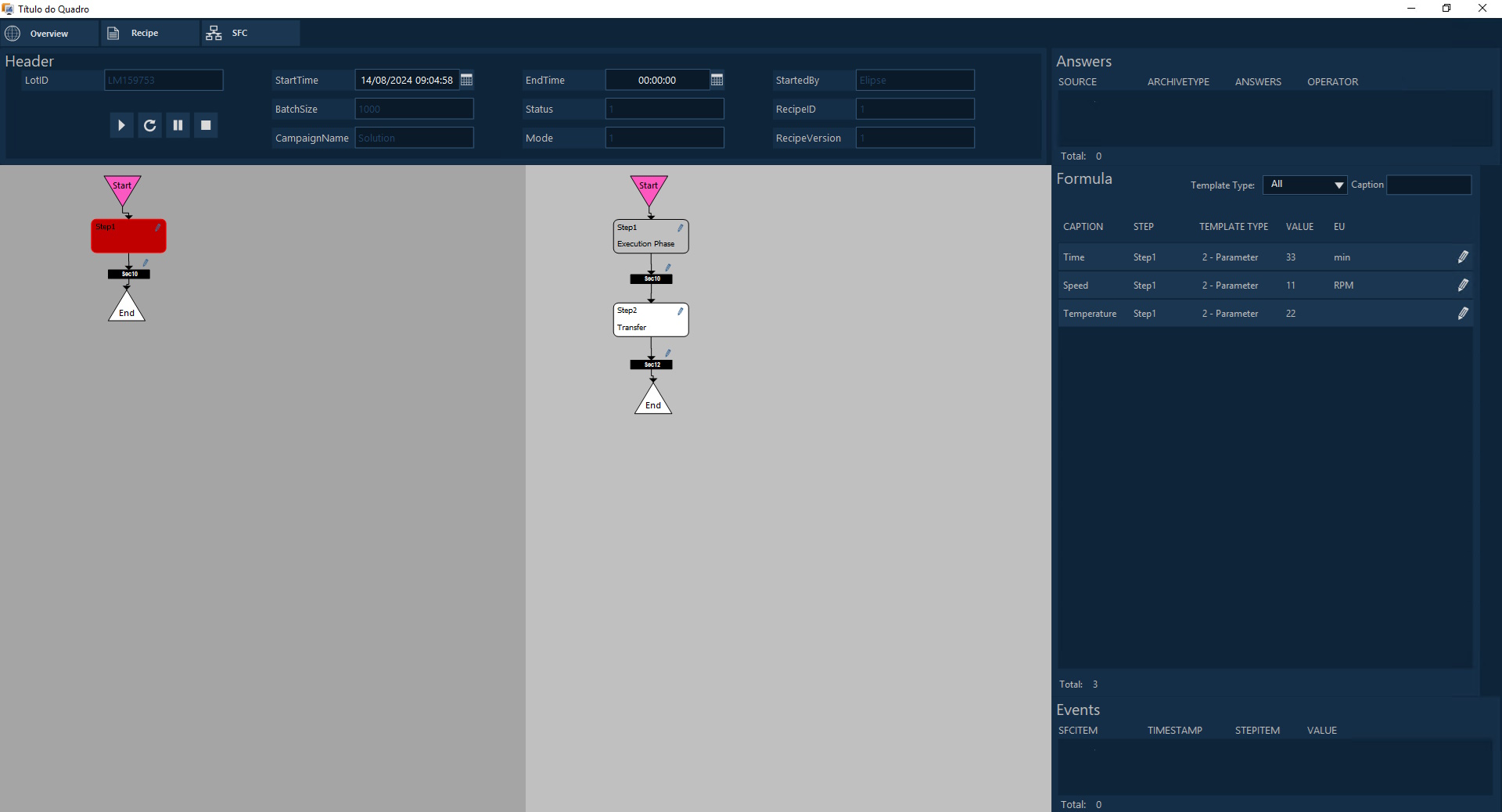
- Master data management: creates or imports materials, recipes, formulas, procedures, and production orders from an ERP
- Unit configuration: defines unit types and their instances
- SFC programming: uses the IEC 61131-3 Sequential Function Chart (SFC) language for greater flexibility in configuring production steps (procedures)
- Traceability: tracks materials, orders, and the detailed production history of each item, with dashboards and custom reports
- Operating modes: runs actions and controls in three modes: manual, semiautomatic, and automatic
- ERP integration: synchronizes results with external systems, including ERP
Benefits
- Operational efficiency: optimized process execution shortens cycle times and increases productivity
- Consistent quality: strict control of parameters and recipes ensures high-quality products with little variation and greater compliance
- Real-time monitoring: continuous process tracking makes it easy to spot issues and make quick decisions
- Cost reduction: less waste and fewer errors significantly lower operating costs over time
- Flexibility and scalability: fast adaptation to new demands and easy expansion as the business grows
Related news
 Elipse Software celebrates 40 years of history
01/10/2026
Four decades after being founded by five young workmates in Porto Alegre, Brazil, the company has become a leading name in SCADA software worldwide
Elipse Software celebrates 40 years of history
01/10/2026
Four decades after being founded by five young workmates in Porto Alegre, Brazil, the company has become a leading name in SCADA software worldwide
 Elipse Drivers 12 – August/2026
19/08/2026
Check out the latest developments for Elipse drivers
Elipse Drivers 12 – August/2026
19/08/2026
Check out the latest developments for Elipse drivers
 Elipse Plant Manager version 7.0: more autonomy for assets management
26/05/2026
The platform by Elipse Software was updated to improve process monitoring, thus optimizing the generation of indicators and real-time data analysis
Elipse Plant Manager version 7.0: more autonomy for assets management
26/05/2026
The platform by Elipse Software was updated to improve process monitoring, thus optimizing the generation of indicators and real-time data analysis
 Elipse Drivers 11 – May/2026
15/05/2026
Check out the latest developments for Elipse drivers
Elipse Drivers 11 – May/2026
15/05/2026
Check out the latest developments for Elipse drivers
