
SCADA systems keep modern infrastructure running in real time. They help operators run processes, give maintenance teams continuous support, and deliver reliable data on equipment and critical assets. As companies connect more of their systems, SCADA is increasingly the foundation of digital transformation.
Where SCADA is used
- Power generation, transmission, and distribution
- Water and wastewater treatment and distribution
- Building automation and utilities
- Railways, metro systems, highways, and airports
- Oil and gas exploration, refining, and distribution
- Food and pharmaceutical manufacturing
- Steel and mining production chains
How SCADA works
A SCADA system collects real-time data from field devices over communication protocols. Operators then monitor the process and send commands through graphical screens that represent it. Each data point, called a tag, carries its value along with a timestamp and a quality indicator. Tags can also be grouped into objects that model the physical assets being monitored. That gives everyone, from operators and managers to administrators and third parties, a clear and consistent view of the operation.
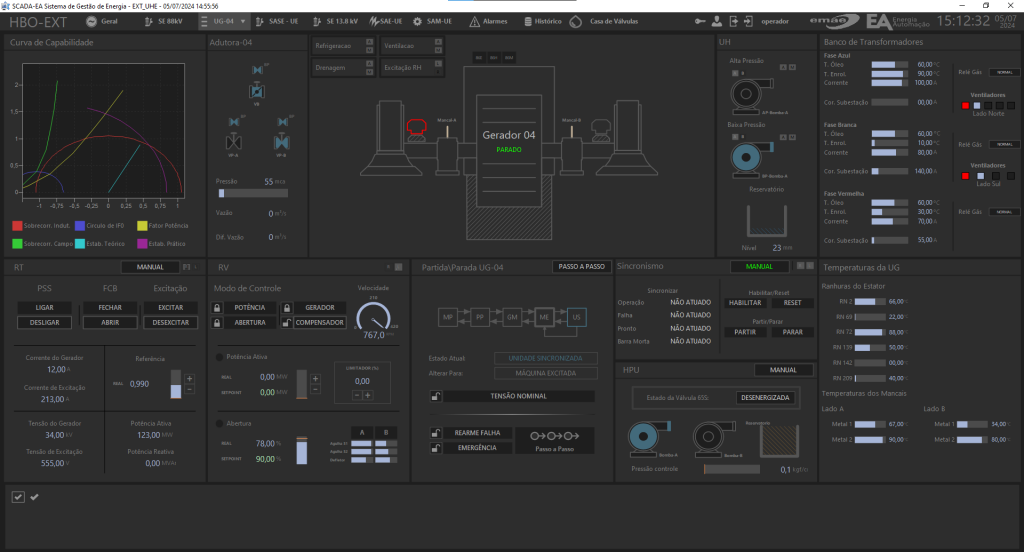
Core capabilities include:
- Custom graphical interfaces that show the real-time status of every process and component
- Alarms and events that alert users as soon as something abnormal happens
- Command prioritization, so control actions always take precedence over data collection
- Historical data and trend charts for short-term analysis
- Recipes and setups that automate long or error-prone procedures
- Scheduling of time-based actions
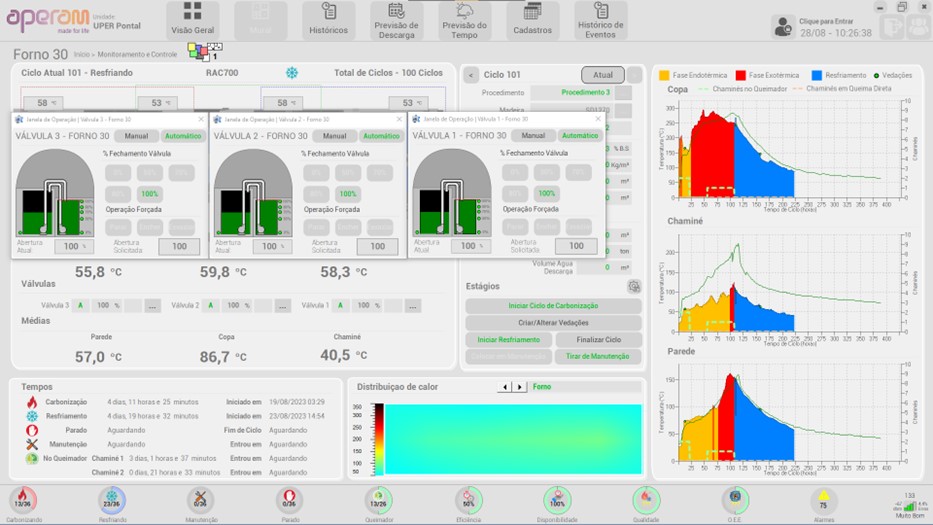
Why Elipse
- Flexible, high-capacity communication: Connect thousands of devices to one or more servers. Our portfolio includes more than 490 communication protocols, and a dedicated team develops new drivers on demand.
- Specialized data models: Customizable asset models, plus dedicated solutions for power and water & wastewater.
- Alarm management: Fully compliant with ISA 18.2.
- High-Performance HMI: Advanced visualization and operation features aligned with ISA 101.
- Continuous evolution: Our SCADA platform is always improving, bringing in industry best practices and new technologies.
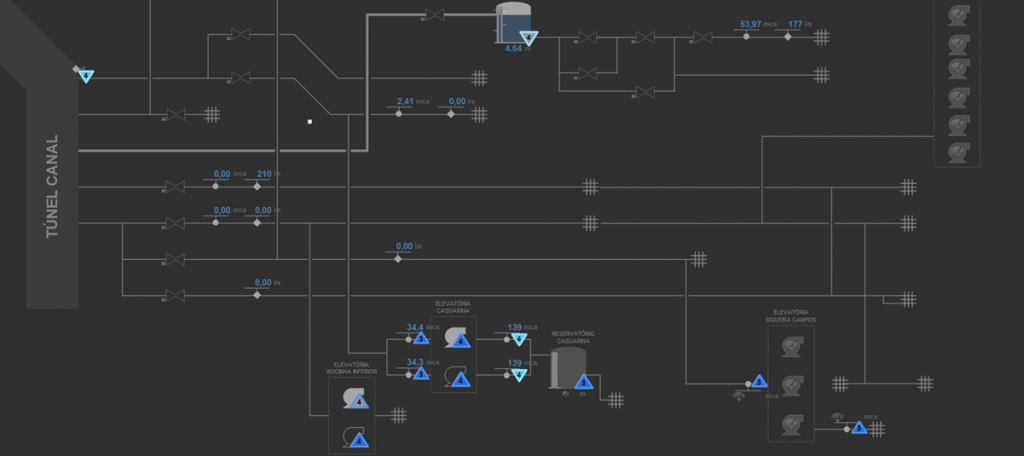
Benefits of SCADA
- Operational efficiency: Automation means fewer manual interventions and more productive operations.
- Real-time visibility: Teams catch issues sooner, which cuts downtime and improves safety.
- Data-driven optimization: Stored data supports detailed analysis and continuous process improvement.
- Safety: Continuous monitoring flags conditions that point to failures or risks before they escalate.
- Better decisions: With real-time and historical data, managers can cut costs and raise productivity.
- Scalability: Systems grow and adapt easily to new sites, processes, and industries.
Trusted by leading companies in Brazil and around the world




































SCADA success stories
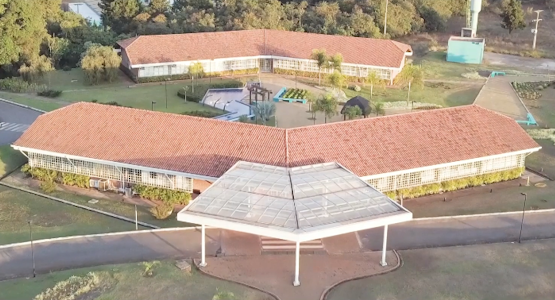 Elipse E3 improves control at Vale’s sinter pilot plants
Elipse Software’s platform streamlines data acquisition, maintenance, and operation at the mining company’s Ferrous Technology Center (CTF) in Nova Lima, Minas Gerais, Brazil
Read more →
Elipse E3 improves control at Vale’s sinter pilot plants
Elipse Software’s platform streamlines data acquisition, maintenance, and operation at the mining company’s Ferrous Technology Center (CTF) in Nova Lima, Minas Gerais, Brazil
Read more →
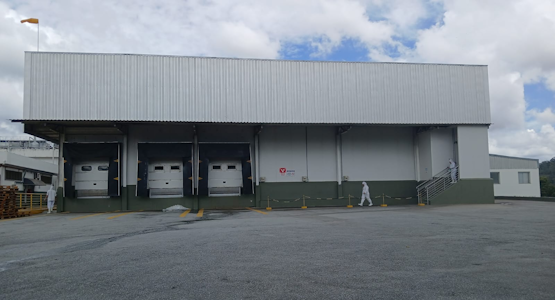 Adeel Alimentos brings higher quality and predictability to its pork products with Elipse E3
Elipse Software’s platform more precisely controls the temperatures and times of the cooking and natural smoking process, so products leave the factory in the best condition for sale
Read more →
Adeel Alimentos brings higher quality and predictability to its pork products with Elipse E3
Elipse Software’s platform more precisely controls the temperatures and times of the cooking and natural smoking process, so products leave the factory in the best condition for sale
Read more →
 Elipse Power optimizes Jirau HPP Operation with instantly generated charts and fluid screen browsing
Platform by Elipse Software allows retrieving instant trend charts at Jirau HPP in a more agile, intuitive browsing environment between screens, increases operational efficiency
Read more →
Elipse Power optimizes Jirau HPP Operation with instantly generated charts and fluid screen browsing
Platform by Elipse Software allows retrieving instant trend charts at Jirau HPP in a more agile, intuitive browsing environment between screens, increases operational efficiency
Read more →
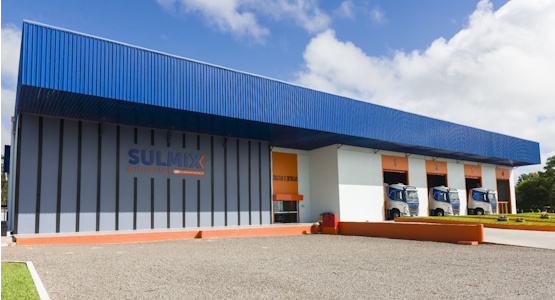 Elipse E3 and ERP interact in application at Sulmix to control production and formulas more efficiently
With the platform by Elipse Software, Sulmix can ensure clients that their orders will be delivered according to the best practices in the market and following inspection agencies’ standards
Read more →
Elipse E3 and ERP interact in application at Sulmix to control production and formulas more efficiently
With the platform by Elipse Software, Sulmix can ensure clients that their orders will be delivered according to the best practices in the market and following inspection agencies’ standards
Read more →
Related news
 Elipse Plant Manager version 7.0: more autonomy for assets management
26/05/2026
The platform by Elipse Software was updated to improve process monitoring, thus optimizing the generation of indicators and real-time data analysis
Elipse Plant Manager version 7.0: more autonomy for assets management
26/05/2026
The platform by Elipse Software was updated to improve process monitoring, thus optimizing the generation of indicators and real-time data analysis
 Elipse E3, Elipse Power, and Elipse Water release their version 6.9
19/12/2025
Elipse Software’s platforms improve their performance and ensure greater stability
Elipse E3, Elipse Power, and Elipse Water release their version 6.9
19/12/2025
Elipse Software’s platforms improve their performance and ensure greater stability
 Driver MQTT by Elipse adds support to Sparkplug B
11/11/2025
Latest update turns the Elipse environment into an active participant inside industrial IoT ecosystems
Driver MQTT by Elipse adds support to Sparkplug B
11/11/2025
Latest update turns the Elipse environment into an active participant inside industrial IoT ecosystems
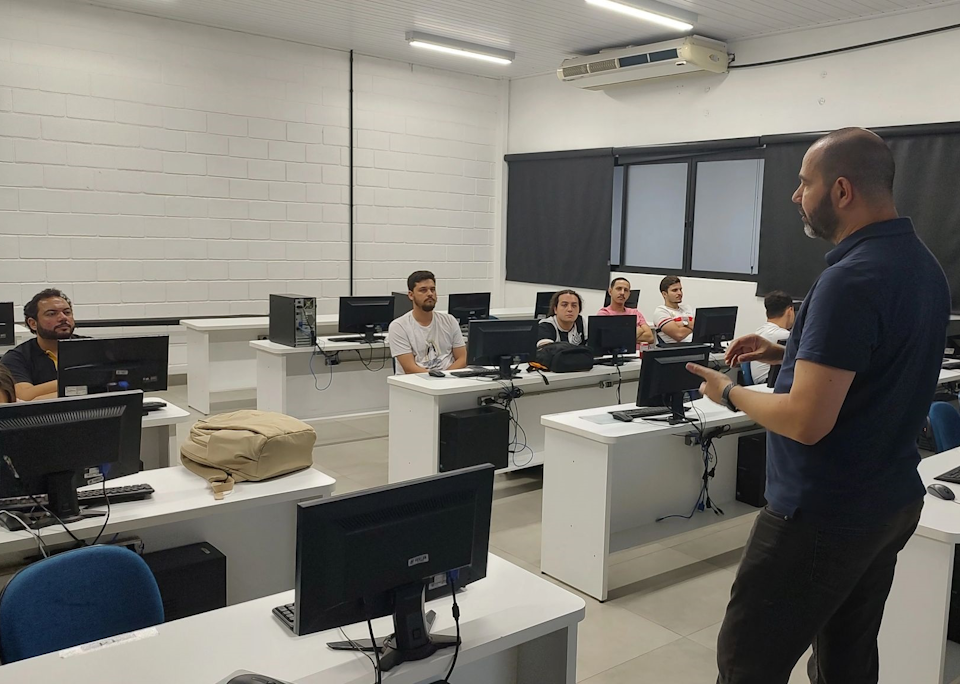 Elipse Software sponsors seminar at UniFAJ
19/09/2025
Gustavo Salomão and Fernando Temotheo, Branch Manager and Technical Consultor (respectively) at Elipse São Paulo, discussed digital transformation at Jaguariúna University Centre
Elipse Software sponsors seminar at UniFAJ
19/09/2025
Gustavo Salomão and Fernando Temotheo, Branch Manager and Technical Consultor (respectively) at Elipse São Paulo, discussed digital transformation at Jaguariúna University Centre
